Top 10 Solar Project Solution Factory In China
The Sogoya Village Solar Power Project in Chad is a government project designed to address long-term electricity shortages and reduce dependence on expensive diesel generators.
Commissioned in January 2025, the project combines a 400 kW power conversion system, an 800 kWh battery energy storage system, and a 435 kWp solar photovoltaic array. The hybrid off-grid system serves 138 households, with reported daily electricity generation of 2,200 kWh and annual diesel displacement of 240,000 liters.
Designed for hot, dusty environmental conditions, the system combines solar generation, battery storage, and backup diesel generators to provide a more reliable and sustainable electricity supply for the village.
| Parameter | Project Details |
|---|---|
| Application | Village Electrification |
| Project Location | Sogoya, Chad |
| Project Type | Government Project |
| Power System Capacity | 400 kW |
| Solar PV Capacity | 435 kWp |
| Solar Panels | 725 × 600 W modules |
| Battery Storage Capacity | 800 kWh |
| System Configuration | Hybrid Off-Grid Solar + Battery Storage |
| Inverter and Battery Cabinets | 4 integrated cabinets, each rated at 100 kW / 200 kWh |
| Households Served | 138 |
| Daily Electricity Generation | 2,200 kWh/day |
| Annual Diesel Displacement | 240,000 liters/year |
| Commissioning Date | January 2025 |
| Manufacturing Time | 2 months |
| Delivery Time | 3 months |
| Commissioning Period | 25 days |
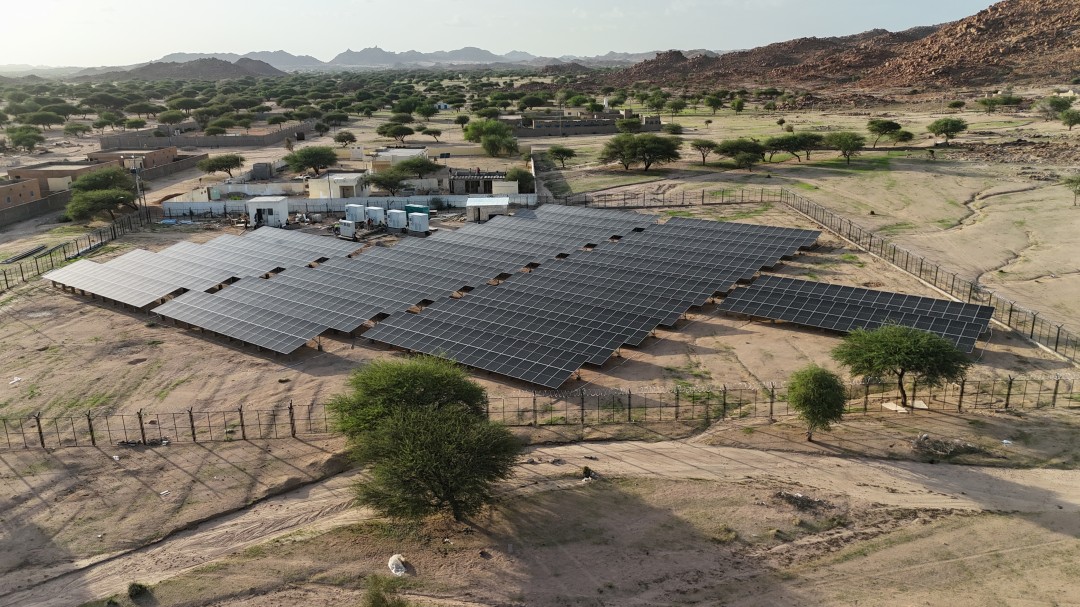
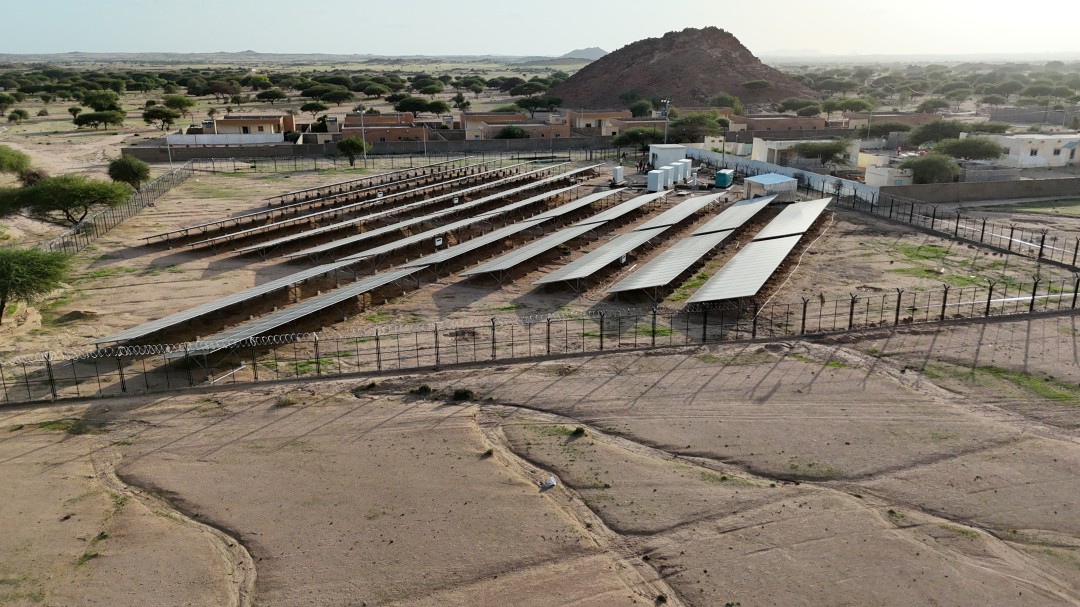
Sogoya Village faced persistent electricity shortages, while conventional diesel generation was costly and difficult to sustain.
The project required a dependable power supply that could serve local households while reducing reliance on diesel fuel. Operating conditions also presented practical challenges, including high temperatures and dust.
A suitable solution needed to combine renewable power generation, energy storage, environmental adaptability, and backup power to support reliable village electrification.
The system was designed to operate in hot, dusty conditions, making it suitable for the demanding environment of Chad and other off-grid locations with similar climates.
The solar PV array and battery energy storage system form an integrated power supply that can operate independently of the utility grid. Solar electricity is generated during the day, while battery storage helps balance power supply and demand.
The hybrid system is integrated with backup diesel generators to support electricity availability when solar and battery power alone are insufficient. The switching design helps maintain continuity of power supply.
The system uses four integrated inverter-battery cabinets, each rated at 100 kW and 200 kWh. Together, they provide 400 kW of power conversion capacity and 800 kWh of battery storage.
This integrated configuration brings the power conversion and energy storage equipment together in a coordinated system.
The Sogoya project demonstrates how a hybrid solar power system can support rural electrification and reduce dependence on diesel generation.
138 households served: Extending access to electricity for village residents.
2,200 kWh of daily electricity generation: Providing a substantial renewable electricity supply.
240,000 liters of diesel displaced annually: Reducing dependence on conventional fuel-based generation.
800 kWh of battery storage: Helping balance solar generation and electricity demand.
Off-grid operation with diesel backup: Supporting power availability when renewable generation and stored energy are insufficient.
By combining solar PV, battery storage, and backup generation, the project provides a practical approach to improving electricity access in areas affected by unreliable or limited grid infrastructure.
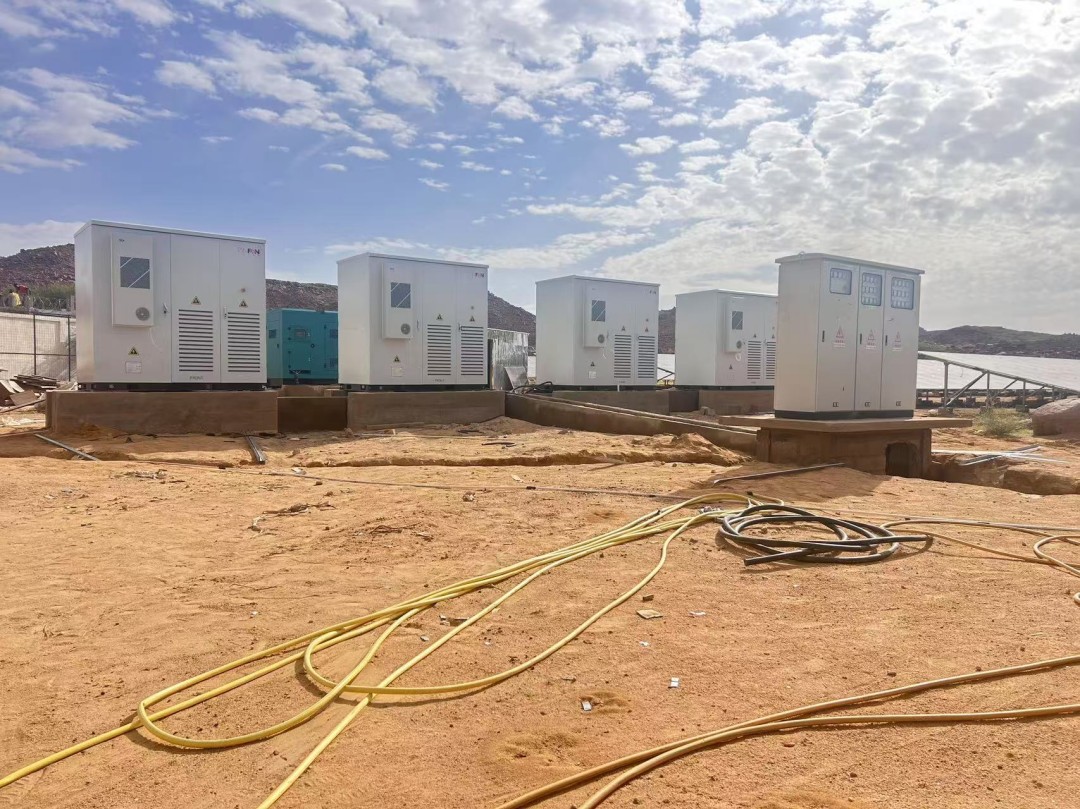
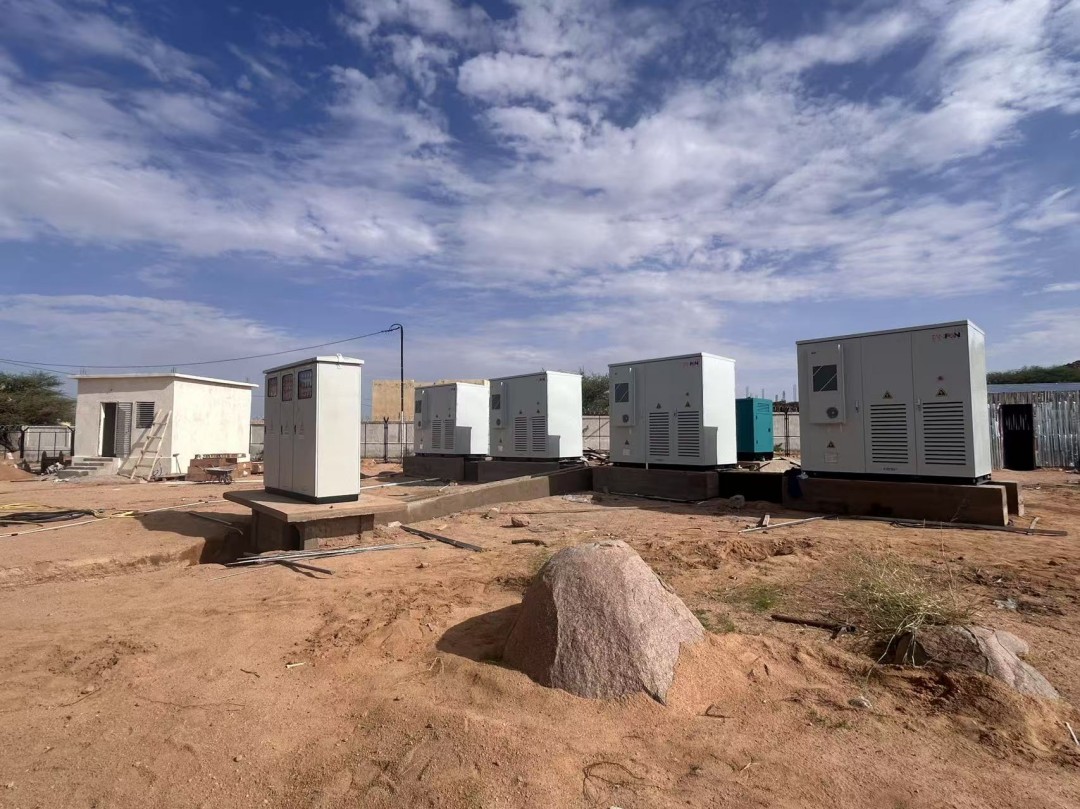
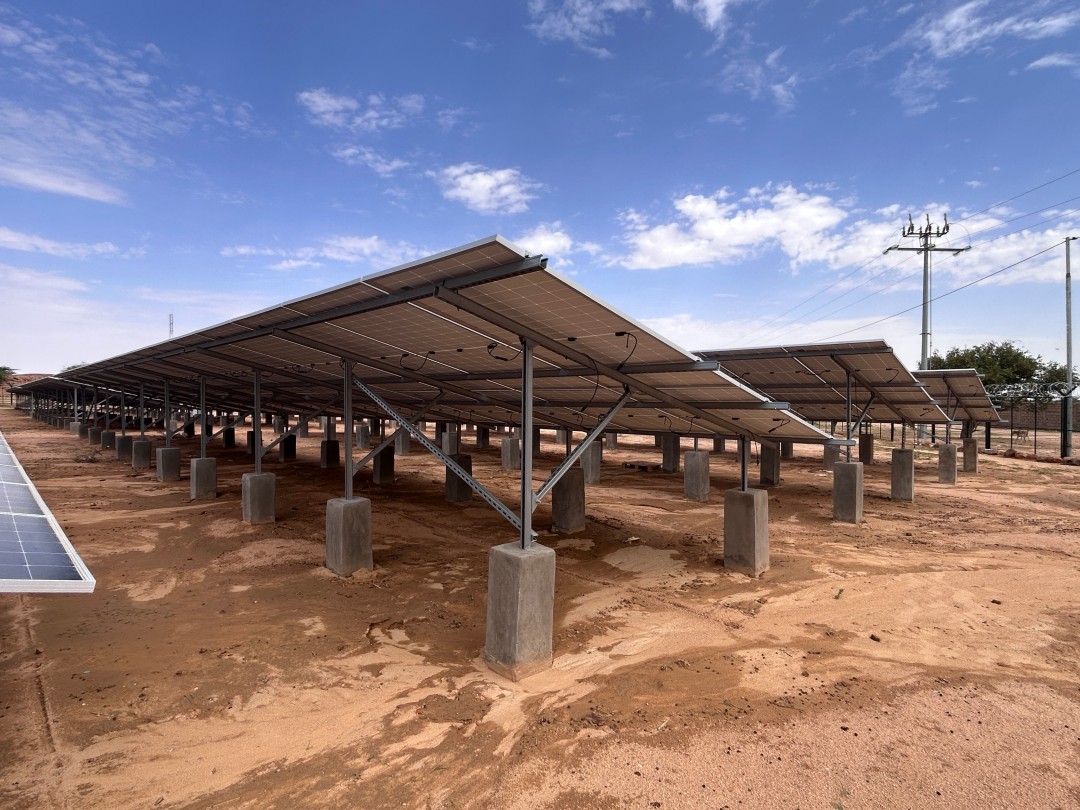
Reliable service is essential for village solar power projects, particularly when installations are located far from major service centers.
Our local support arrangements in Chad include an engineer based in the country and a local service partner to support the project throughout its lifecycle.
The service commitment includes:
Pre-sales site assessment: On-site surveys before order confirmation.
Installation guidance: Technical assistance during system installation and commissioning.
After-sales support: A stated response time of within 24 hours.
Warranty coverage: Five-year warranties for the battery system and inverters.
Locally stocked spare parts: Supporting maintenance and reducing potential service delays.
Remote monitoring: EMS-based monitoring for system operation and troubleshooting.
These arrangements are intended to provide customers with more accessible technical support and improve long-term system maintainability.
Project Name: 400 kW + 800 kWh Village Solar Power System
Location: Sogoya, Chad
Commissioning Date: January 2025
For residents of Sogoya Village, improved electricity access means less dependence on expensive, noisy diesel generation and a more sustainable way to meet everyday energy needs.
The project illustrates how an appropriately designed solar-and-storage system can help address rural power shortages while supporting cleaner electricity generation and more resilient local energy infrastructure.
For governments, utilities, rural electrification developers, and project contractors, the Sogoya case offers an example of integrating solar PV, battery storage, and backup generation into an off-grid village power system.
The project has a 400 kW power conversion system and 800 kWh of battery storage. Its solar PV array consists of 725 solar panels rated at 600 W each, giving a total nominal PV capacity of 435 kWp.
The system serves 138 households in Sogoya Village, Chad.
The reported daily electricity generation is 2,200 kWh.
The reported annual diesel displacement is 240,000 liters.
Yes. The system is designed for independent off-grid operation using solar PV and battery storage, with backup diesel generators integrated to support power availability.
The system combines a 435 kWp solar PV array, a 400 kW power conversion system, and 800 kWh of battery storage. Four integrated inverter-battery cabinets provide 100 kW of power conversion capacity and 200 kWh of storage each.
The stated support arrangements include an in-country engineer, a local service partner, pre-sales site assessment, installation guidance, after-sales support with a response time of within 24 hours, locally stocked spare parts, and remote EMS monitoring. The battery and inverters carry a stated five-year warranty.
The project was commissioned in January 2025.
A hybrid solar-and-storage system may be suitable for villages and remote communities with limited grid access, high diesel-generation costs, and demanding environmental conditions. Final system sizing should be based on the local load profile, solar resource, backup requirements, and operating conditions.
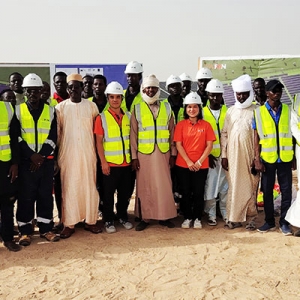
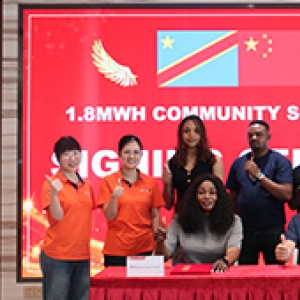
The King of the Democratic Republic of the Congo has provided a solar energy storage power station system for the village of Bunkeya to meet the electricity needs of 2500 small households in the village. As the village currently lacks access to the grid, the King requested the design of a 1MW solar panel system paired with a 1.8MWh lithium battery storage system to power the entire village.


Top 10 Solar Project Solution Factory In China


Address: 4th Floor, No. 7 Hongde Road, Nanzhuang, Chancheng District, Foshan City, GuangDong Province, China 公司地址:中国广东省佛山市禅城区南庄镇弘德路7号四楼