Top 10 Solar Project Solution Factory In China

The BMS (Battery Management System) is the core component of a lithium-ion battery pack. The main functions of the BMS system include:
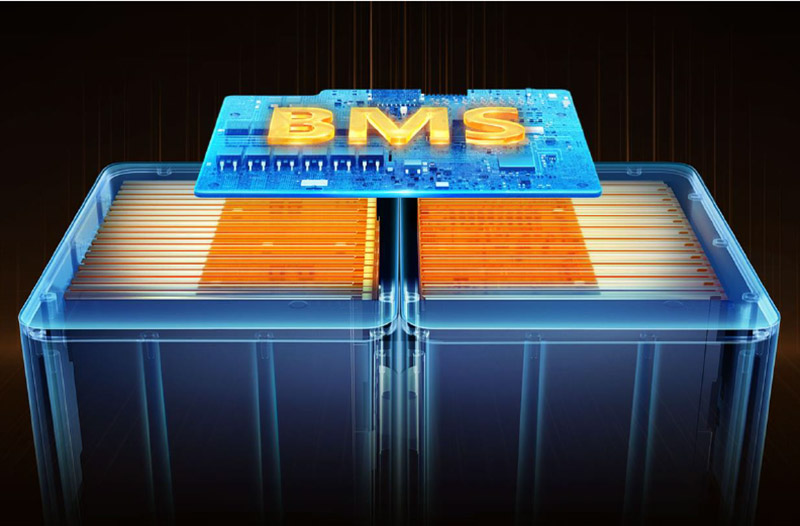
1.Battery status monitoring: Real-time monitoring of battery voltage, current, temperature and other parameters, and analysis of the battery's charging and discharging status.
2.Battery protection: When there are abnormal conditions like overcharge, overdischarge, overcurrent, or overheating, the BMS will promptly cut off the circuit to protect the battery from damage.
3.Battery balancing: Real-time monitoring of the voltage difference between each battery cell, and using a balancing circuit to adjust the voltage difference to a reasonable range, thereby extending the battery's lifespan. battery data management: Collecting and storing the battery's charging and discharging data, providing a basis for subsequent fault diagnosis and life prediction.
4.Battery life management: Predicting the battery's lifespan based on its usage conditions, and providing reasonable usage recommendations.
In summary, the BMS system is the key to ensuring the safe and reliable operation of a lithium-ion battery pack. It can maximize the battery's performance and extend its service life. Modern high energy density lithium-ion batteries are inseparable from a well-designed BMS system.


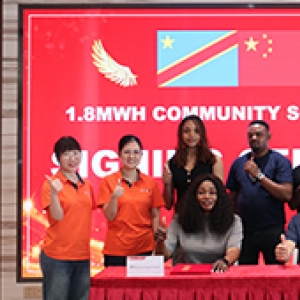
The King of the Democratic Republic of the Congo has provided a solar energy storage power station system for the village of Bunkeya to meet the electricity needs of 2500 small households in the village. As the village currently lacks access to the grid, the King requested the design of a 1MW solar panel system paired with a 1.8MWh lithium battery storage system to power the entire village.


Top 10 Solar Project Solution Factory In China


Address: 4th Floor, No. 7 Hongde Road, Nanzhuang, Chancheng District, Foshan City, GuangDong Province, China